


Personalized Diet Plan: A Comprehensive Guide to Achieving Your Health Goals
Introduction: Why a Personalized Diet Plan Matters
When it comes to nutrition and weight management, there’s no “one-size-fits-all” solution. A personalized diet plan takes into account your individual goals, lifestyle, preferences, and any health conditions, ensuring that you’re on the right track to achieve optimal health. Whether you’re aiming to lose weight, gain muscle, or simply improve your overall well-being, tailoring your nutrition to suit your needs is key.
1. What is a Personalized Diet Plan?
1.1 Understanding the Concept of a Personalized Diet Plan
A personalized diet plan is a customized eating plan that’s specifically designed to meet your individual needs and preferences. It factors in your age, gender, activity level, body composition, and any specific health conditions. Unlike generic diet advice, a personalized plan helps you make informed decisions about food choices based on your unique situation.
1.2 Benefits of a Personalized Diet Plan
Having a personalized diet plan offers several benefits, including better weight management, improved energy levels, reduced risk of chronic diseases, and enhanced overall health. By aligning your food choices with your body’s needs, you can see more effective results and feel more satisfied.
2. Factors to Consider When Creating a Personalized Diet Plan
2.1 Health Goals
The first step in creating a personalized diet is identifying your health goals. Whether you’re focused on weight loss, muscle gain, managing a health condition like diabetes, or simply improving your energy levels, your goals will dictate your diet plan.
2.2 Dietary Preferences and Restrictions
If you’re vegetarian, vegan, or have any food allergies, it’s important to factor in these dietary preferences and restrictions. A good diet plan will respect your personal food choices while still helping you achieve your goals.
2.3 Activity Level
Your level of physical activity plays a significant role in determining your caloric and nutritional needs. Athletes or highly active individuals require more energy (calories) and protein compared to someone with a sedentary lifestyle.
2.4 Age and Gender
Age and gender influence your metabolism, nutrient needs, and body composition. For instance, a woman’s nutritional requirements may differ from a man’s due to differences in hormones, and an older adult might have different needs than a younger person.
2.5 Health Conditions
If you have health conditions like diabetes, hypertension, or heart disease, your diet should be customized to manage these conditions effectively. A dietitian or healthcare provider can help you create a plan that supports your specific health needs.
3. Key Components of a Personalized Diet Plan
3.1 Macronutrients: Balancing Carbs, Proteins, and Fats
A well-balanced diet plan will ensure you’re consuming the right proportions of macronutrients:
- Carbohydrates: Provide energy. Choose complex carbs like whole grains, fruits, and vegetables for sustained energy.
- Proteins: Essential for muscle repair and growth. Include lean protein sources like chicken, tofu, beans, and fish.
- Fats: Healthy fats are crucial for brain function and overall health. Opt for unsaturated fats from sources like avocados, nuts, and olive oil.
3.2 Micronutrients: Vitamins and Minerals
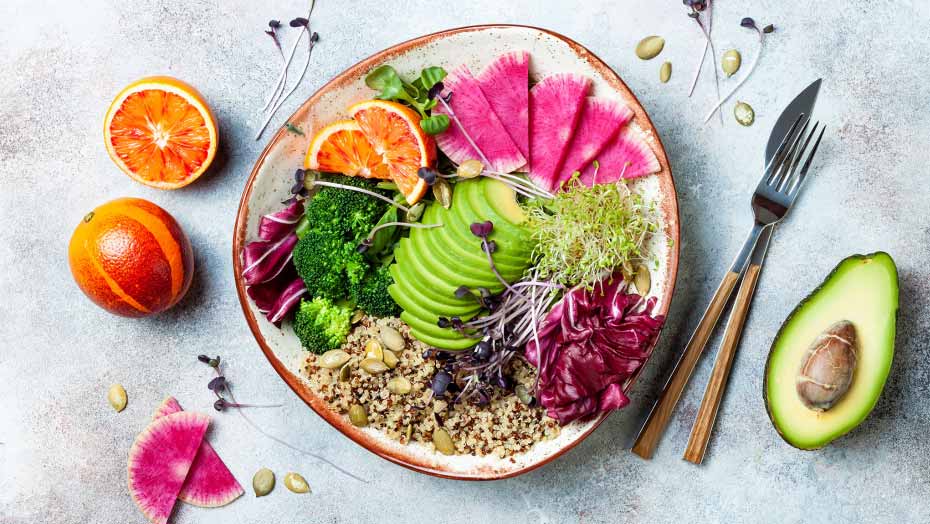
Your diet should also be rich in vitamins and minerals. These nutrients play important roles in everything from immune function to bone health. Ensure your plan includes a variety of colorful fruits and vegetables to meet your micronutrient needs.
3.3 Hydration
Staying hydrated is essential for overall health. Drinking water throughout the day helps maintain proper bodily functions, boosts energy, and supports metabolism.
4. Tailoring Your Diet Plan for Weight Loss
4.1 Caloric Deficit for Weight Loss
To lose weight, your body needs to burn more calories than it consumes. A personalized diet plan for weight loss will create a caloric deficit by reducing the number of calories you eat, while still ensuring you get the nutrients you need for health.
4.2 Focusing on Nutrient-Dense Foods
Rather than focusing on restrictive eating, aim to incorporate nutrient-dense foods like vegetables, fruits, lean proteins, and whole grains that are lower in calories but higher in nutrients. These foods keep you full longer and support your metabolism.
4.3 Meal Timing
When you eat is just as important as what you eat. For some people, eating smaller, more frequent meals helps keep hunger at bay and prevents overeating.
5. Diet Plans for Muscle Gain
5.1 Caloric Surplus for Muscle Gain
For muscle gain, a caloric surplus is necessary, meaning you must consume more calories than you burn. However, the quality of those calories is essential. You’ll want to focus on eating nutrient-dense foods that promote muscle repair and growth.
5.2 Protein-Rich Diet
Protein is essential for muscle building. Aim to include high-quality protein sources like eggs, lean meat, fish, tofu, and legumes in every meal to support muscle growth and recovery.
5.3 Strength Training and Diet Synergy
Pairing your personalized diet with a consistent strength training routine is key for muscle gain. The combination of the right diet and exercise helps stimulate muscle growth and recovery.
6. Managing Health Conditions with a Personalized Diet
6.1 Diabetes-Friendly Diet
For those with diabetes, controlling blood sugar levels is a priority. A personalized diet for diabetes will include low glycemic index foods, balanced meals with lean proteins, healthy fats, and fiber-rich vegetables to manage blood sugar.
6.2 Heart-Healthy Diet
A heart-healthy diet emphasizes the consumption of heart-friendly fats (like omega-3s) from sources such as fish, nuts, and seeds. Limiting saturated fats and sodium is crucial to support cardiovascular health.
6.3 Gut Health
A personalized diet plan that promotes gut health may include prebiotics and probiotics, fiber-rich foods, and fermented foods like yogurt, kimchi, and kefir to support digestion and the microbiome.
7. Sample Personalized Diet Plan
7.1 Sample Meal Plan for Weight Loss
- Breakfast: Scrambled eggs with spinach and whole-wheat toast
- Lunch: Grilled chicken salad with mixed greens, avocado, and vinaigrette
- Snack: Greek yogurt with berries
- Dinner: Baked salmon with quinoa and roasted vegetables
7.2 Sample Meal Plan for Muscle Gain
- Breakfast: Oatmeal with almond butter, banana, and whey protein
- Lunch: Grilled turkey burger with sweet potato and steamed broccoli
- Snack: Cottage cheese with pineapple chunks
- Dinner: Beef stir-fry with brown rice and mixed veggies
8. Tracking and Adjusting Your Personalized Diet Plan
8.1 Using Apps to Monitor Progress
Apps like MyFitnessPal or LoseIt can help you track your meals, calories, and macronutrients to ensure you’re meeting your dietary goals. They also provide insights into your eating patterns, making it easier to adjust your plan as needed.
8.2 Regular Check-ins with a Dietitian
A registered dietitian can help you assess whether your personalized diet plan is working effectively and suggest adjustments based on your progress.
Conclusion: A Diet Plan That Works for You
A personalized diet plan is one of the most effective ways to achieve your health goals, whether it’s for weight loss, muscle gain, or managing a chronic condition. By considering your specific needs and preferences, you can create a diet plan that not only helps you meet your goals but also supports your long-term health.
Remember, a balanced approach that includes a variety of whole foods, proper hydration, and physical activity will always be the key to success. Start by making small, sustainable changes, and let your diet plan evolve as you progress toward your goals.
FAQs
1. How do I know which diet plan is best for me?
The best diet plan depends on your individual health goals, activity level, preferences, and medical conditions. Consulting a healthcare provider or dietitian can help you develop a plan suited to your needs.
2. Can I follow a personalized diet plan on my own?
Yes, with the right tools and knowledge, you can create a personalized diet plan. However, working with a professional like a dietitian can provide valuable guidance and ensure you’re on track.
3. How often should I update my diet plan?
Your diet plan should be reviewed and updated periodically based on changes in your goals, health, or progress. Regular check-ins with a healthcare professional can help you adjust as needed.
4. Can I eat out while following a personalized diet plan?
Yes, many restaurants offer healthier options, and you can make modifications to meals to fit your personalized diet plan. Just be mindful of portion sizes and choose nutrient-dense options.
5. Is it necessary to track calories for a personalized diet?
Tracking calories can be helpful for some people, especially if you’re aiming for a specific weight or health goal. However, focusing on whole, nutrient-rich foods and mindful eating is just as important.